Travel journals · 5 March 2025 · 11 min read
Keeping a travel journal on the road in Australia
Distances are long, gloveboxes are ovens, and a journal that cannot be written in at a roadhouse is a decoration. Field notes from a shop that sold the ultimate travel journal.
By The Bookbinders desk
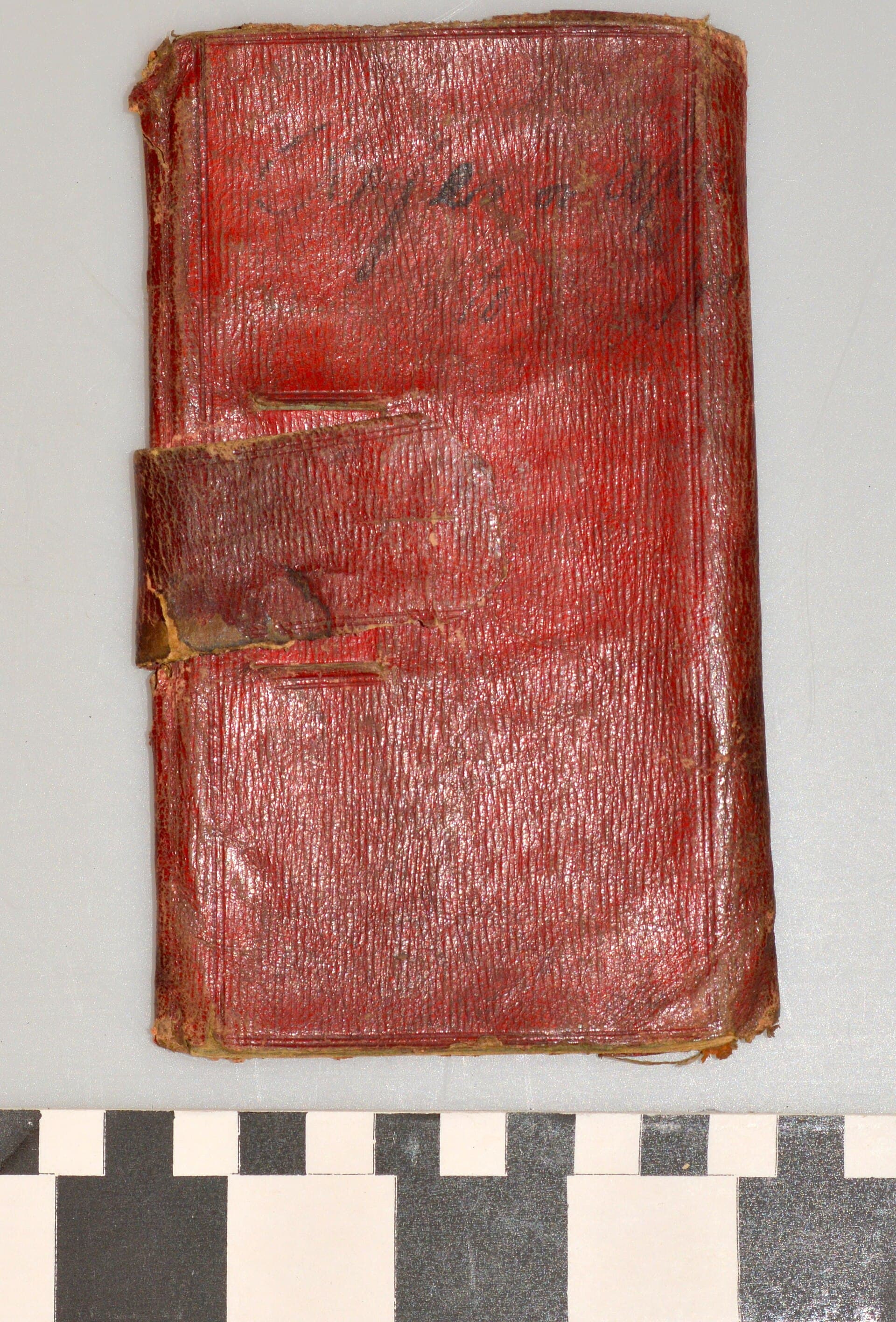
Image: Unknown photographer, public-domain historic object. Public domain. See the image credits.

Start your adventure, the homepage said, under a photograph of a Traveler's. The video showed accessories going into a cover as if a trip were a stationery problem. Some of it was. Most of a trip in this country is a climate and a distance problem. You will drive further than a European diary assumes. You will sit in a car that can ruin a fountain pen before lunch. You will want to write at a table that is a picnic bench and a fly.
This is how to keep a journal that survives that, written by a desk that used to pack Midori refills as letters.
Choose the book for the bag you already have
A Traveler's regular is a good bag journal and a poor jacket journal. A passport size is the reverse. A Field Notes is a glovebox citizen if the glovebox is not an oven — which it is, so keep the book in the bag you take out of the car. A hard Leuchtturm will pick up the shape of the thing it is crushed against and still look like you meant it.
Do not take three systems. Take one book you will open when you are tired. If you want photographs, your phone will do that. The journal is for the sentence the photograph will not keep: the name of the person at the roadhouse, the bird you could not identify, the kilometre at which the argument ended.
Pens that travel, and pens that stay home
A fountain pen can travel if you treat heat as the enemy. Fill it full or empty it. Cap it. Keep it off the dash. Prefer a fine nib and a well-behaved ink. A Pilot with a converter is a known quantity. A wet stub and a sheening ink is a hotel-room hobby. Read humid-climate care as if it were a packing list.
A pencil does not leak. A cheap ballpoint does not ask you to be a person of taste at a petrol station. Put one in the same pocket as the book. The fountain pen can be for the evening.
If you fly, remember that ink is a liquid and a half-empty converter is a theory about cabin pressure. The ink travel notes apply in miniature.
A page that can be written in a wind
Date the page. Write the place as it is on the sign, not as it is in the brochure. Leave a margin for the ticket you will staple later, or do not staple and use a zipper pocket. Write short when you are standing up. Write longer when there is a shower and a table. If you miss a week, start again without a recap. The recap is how people quit.
Weather is not small talk in this country. Write it down. A journal that does not mention heat, wind or rain is a journal that was written in a room.
If you want a tasting note — a wine, a mango, a pie — steal the spirit of the 33 Books journals we once unpacked from the United States: a few fixed prompts and a flavour word. Do not invent a twelve-part rubric at a rest stop.
After the trip
The book is not finished when you get home. The week after is when you can still read your own handwriting and add the names you almost forgot. Then tin it. If you used a refill, put a new one in the cover and keep the old one as an archive, not as a third volume in the band.
A travel journal is not a performance of being well-travelled. It is a way of being present in a large country that will otherwise blur into a camera roll. Start the adventure if you want. Start the page either way.
Heat, dust and the roadhouse table
A roadhouse table is often wet, always slightly sticky, and never the desk you imagined. Write short. Keep the book closed while you eat. Do not put a blotter down as if you were at home; you will lose it. A pencil is the correct instrument for a pie with gravy. The fountain pen can come out when you are back at a motel sink.
Dust will enter a spiral and stay. It will enter a Traveler's and leave when you shake the insert. Choose your binding with the dirt in mind. The romantic red leather on this page survived a different century; yours has to survive the Stuart.
Companions, children, and the shared book
A shared travel journal only works if the rules are kind: anyone may write, nobody edits anyone else's sentence, drawings count. A private book in the same bag is allowed. If you travel with children, give them a cheap pad and steal their better observations at the end of the day with permission. The journal is not a performance of parenting.
When the trip is a city break rather than a crossing, the same rules shrink. One book, one pen, the weather, the names. The adventure can be a tram. The page does not know the difference.
Night writing, when the day was too bright
Australian daylight can bleach a page and a mood. The better paragraph often arrives after the shower, when the heat drops a little and the insects start. Write then. Do not wait for a perfect desk. A motel towel under the book will stop a damp table from cockling the last signature.
If you are too tired, write three words and the date. Tomorrow's longer page can start with those words. The journal is a chain, not a performance of energy.
Home as a place you still write
The last pages of a travel journal should include the first week back: the laundry, the weather, the thing you thought you would remember. If you stop on the last night of the trip, the book is a brochure. Write home into it, then tin it.
Questions from the bench
- What is the smallest useful travel kit?
- One notebook that actually opens, one pen that does not leak in heat, one spare refill or a cheap backup book, and a way to keep tickets. Everything else is optional.
- Should I write at the end of the day or in the moment?
- In the moment for names, prices and the colour of the light. At the end of the day for the sentence that makes it a journal. Miss a day without a confession.
Further reading
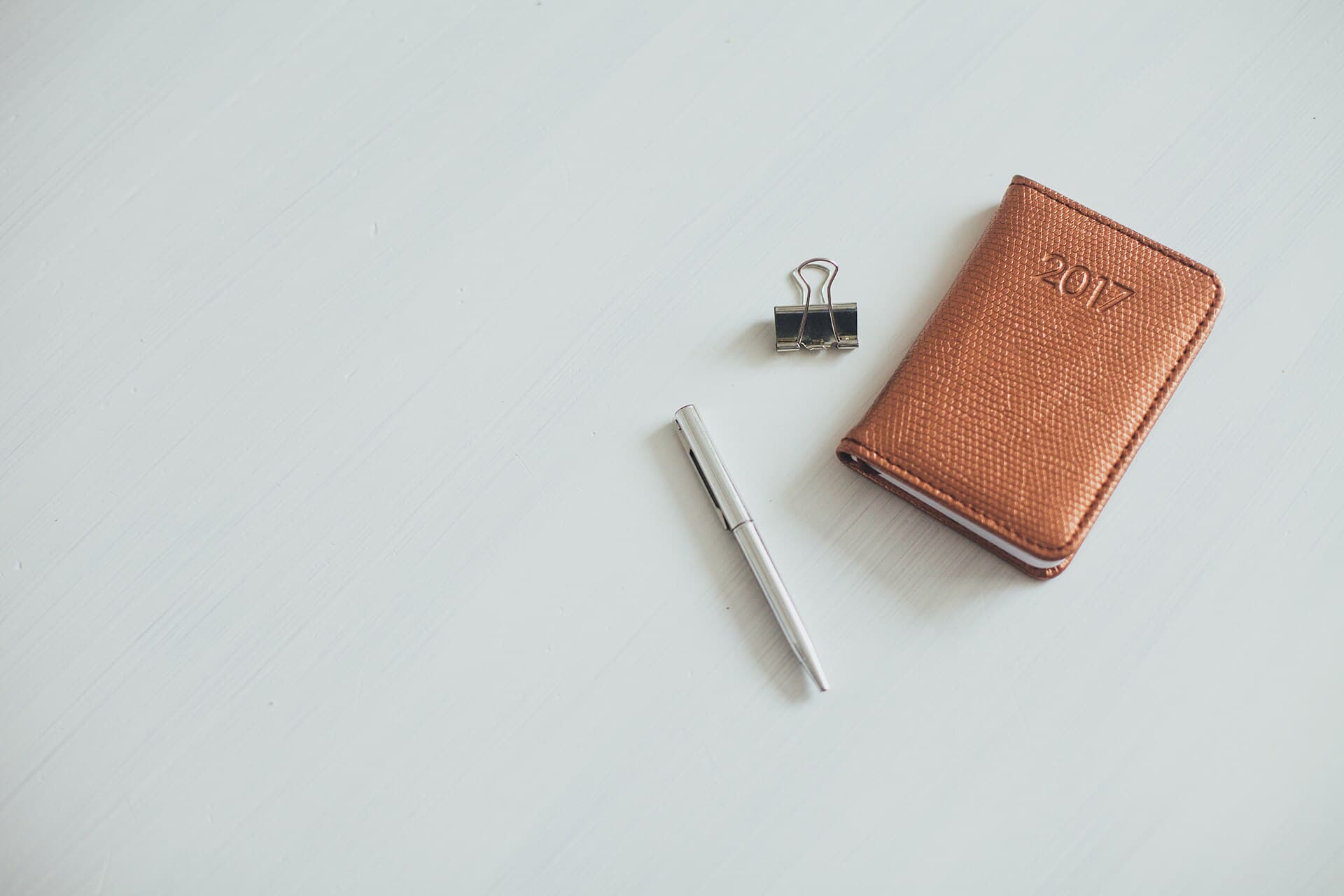
Travel journals · 1 March 2019
Considered carry, building a writing kit
Bellroy on the old homepage meant a pouch that made everyday objects look intentional. A writing kit is the same idea, with fewer zippers and a stricter list.
Travel journals · 14 August 2018
Sealing wax, stamps and analog correspondence
Stamptitude pebbles sat in our new arrivals between TWSBI and Leuchtturm. A seal is not a gimmick if a letter still has to travel Australia Post.
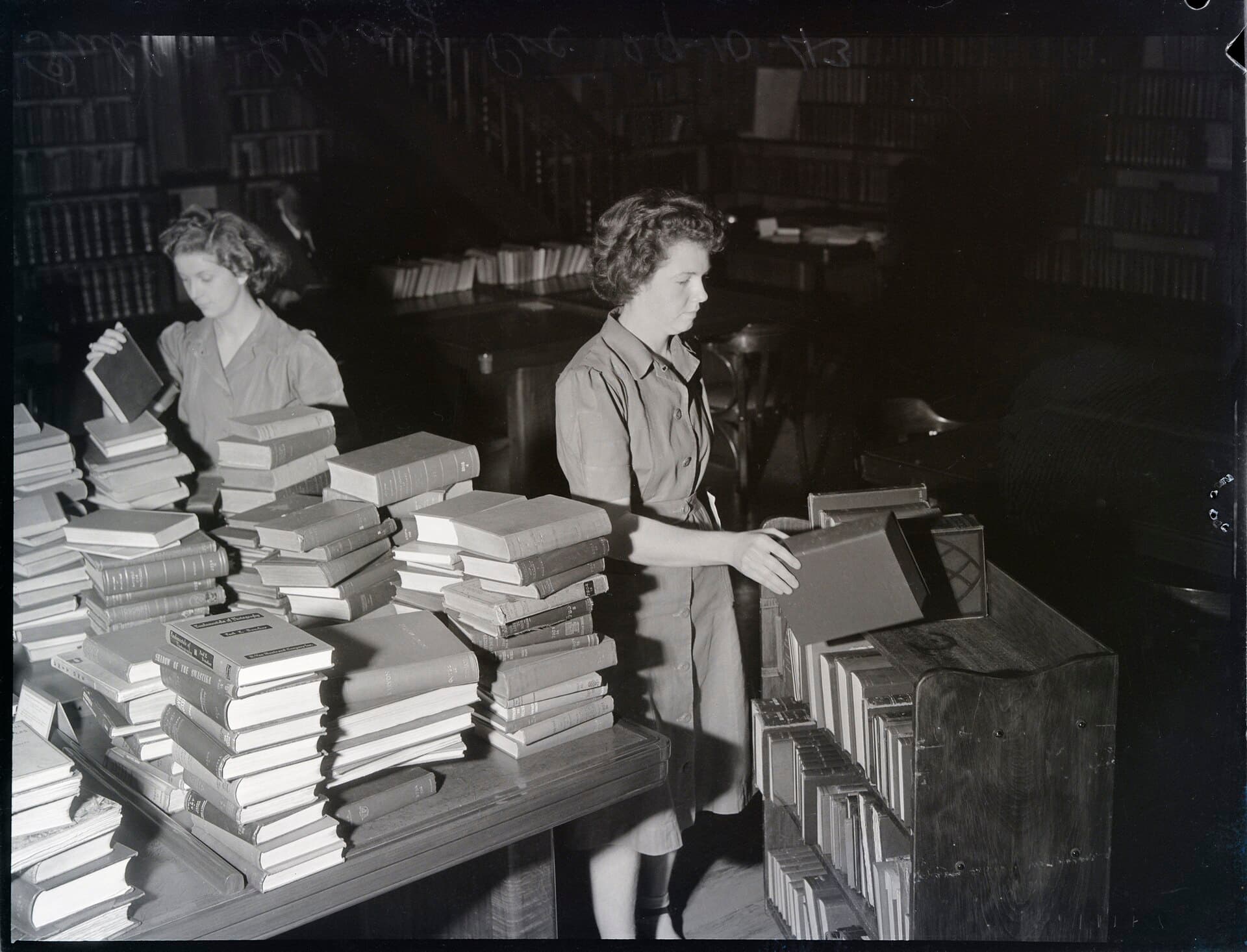
Australian scene · 1 June 2025
A reader's map of stationery counters around Australia
Aspley was one door. The rest of the country still has counters, museum shops, bindery suppliers and the newsagency that surprises you. How to read a room before you buy.