Journals · 14 August 2018 · 9 min read
Field Notes and the pocket notebook habit
A small stapled book in a back pocket will teach you more about attention than a leather system you leave at home. How to keep a pocket notebook alive in Australian work clothes.
By The Bookbinders desk
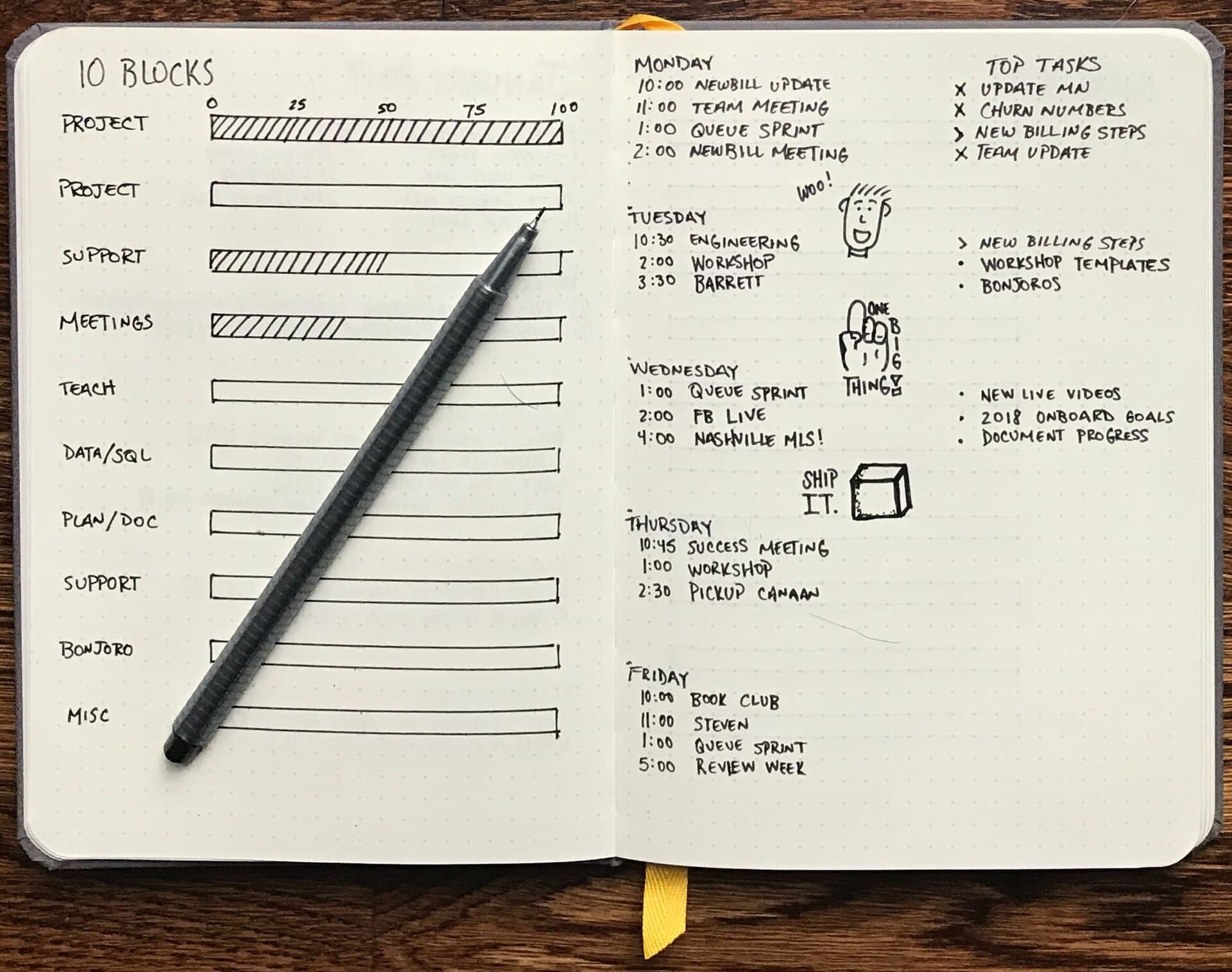
Image: Matt Ragland. Copyrighted free use. See the image credits.

The old site sold Field Notes the way a hardware shop sells pencils: write it down, shop the collection, a Clic pen in a six-pack as if six cheap pens were a philosophy. They sat beside TWSBI and sealing wax in the new arrivals, which is the right neighbourhood. A pocket notebook is not a lesser Traveler's. It is a different habit. It lives in clothes.
Australian clothes are a problem for the habit. We have fewer jacket pockets than the American catalogues assume. We have more heat. We have work shorts, high-vis, a dress without a pocket, a pair of jeans that will cook a card through a summer commuter train. The notebook still works. You just have to choose where it lives and what you are willing to put on the page.
The point is the pocket, not the brand
Field Notes made a seasonal edition into a collecting hobby, and collecting is how some people stop writing. Buy a 3-pack. Write in the first book until it is soft. Do not keep the second mint because the cover was a limited colour. If you want a cover that lasts, that is what a Traveler's or a leather sleeve is for. If you want a book that can die in a wash, this is the format.
Other pocket books do the same job. Word notebooks, which we brought in from the United States in 2014 with their little bullet system, were an early cousin. A newsagency memo book is a cousin. The brand is a convenience and a paper lottery. The habit is the product.
Put the book where your hand already goes. A back pocket will bend it into a curve that some people love and some people call ruin. A bag pocket will forget it. A tool bag will stain it and make it honest. A car console will cook it. Choose.
What to put on the page
Not everything. If you try to make a pocket book into a life system you will drop it for a Leuchtturm and then drop that too. Use it for measurements, names, the sentence you heard, the kilometre reading, the colour of the sky when you should have been photographing it, the phone number of the person at the counter. Use a cheap pen if the book lives in a dusty place. Use a fountain pen if you have tested the paper and you are sitting down.
Date the first page. Number nothing unless you want to. When the book is full, write the span of dates on the cover and throw it in a tin. That tin becomes a record that a phone's search bar will not quite replace, because you will actually flip it.
Paper, pens, and the wash
Field Notes paper varies. Some editions take a fountain pen with dignity. Some show every fibre. Test. A Japanese fine and a polite ink will forgive more than a stub. If the book is a site book, use a pencil or a pigment pen and stop asking it to be Midori MD.
If you wash it, you will learn whether the ink was dye and whether you should have used a zip bag. We did not treat a ruined pocket book as a tragedy. We treated it as proof the book had been in a life. Buy another. They were always sold in threes for a reason.
The Clic and other cheap pocket pens matter more than enthusiasts admit. A fountain pen in a wet pocket is how you dye a thigh. Read considered carry if you want the grown-up kit; keep a biro in the same pocket as the book if you want the habit to survive.
A small book against a large phone
The homepage once sold digital detox with a quality notebook. A pocket book is the detox that does not require a leather altar. You can still carry a phone. You can still refuse to unlock it for a name. That refusal is the habit.
If you last three books, you have a practice. If you last one cover of a more expensive system and nothing else, you had a purchase. We were always happier selling the threes.
Clothes, clips and the Australian pocket
A shirt pocket in high-vis will sweat a cheap book into a curve. A side pocket on hiking shorts will take dust. A handbag pocket will lose the book under a bottle of sunscreen. Choose the pocket by the dirt, not by the catalogue. A clip on a belt loop is allowed if you will actually look down.
If your work clothes have no pocket, the kit is a bag habit, not a pocket habit. Call it that and stop apologising to an American brand.
Three books as a curriculum
Book one: you remember to carry it. Book two: you write names. Book three: you start to trust it and then you buy a leather system you do not need. Pause at three. Stay with the stapled book until a job appears that the stapled book cannot do. The habit is the curriculum. The limited cover is recess.
Work sites, kitchens and the book that may die
A pocket book on a site should be cheap, dated, and allowed to die. Do not put a fountain pen in the same pocket as a blade. Do not put the only copy of a measurement in a book that lives near oil. Photograph the page at the end of the day if the measurement matters, then keep the book anyway. The photograph is the spare. The book is the habit.
Kitchens ruin paper with kindness and with grease. A tasting note can live here if you accept a shorter life. See the wheel.
After the third book
If you are still carrying it, you have the habit. Buy another three-pack. Do not graduate unless a job appears. The pocket is a finished education. The rest is shopping.
Questions from the bench
- Are Field Notes fountain-pen friendly?
- Some editions are friendlier than others. Treat each kraft-ish batch as a test. A fine nib and a well-behaved ink will usually get you a usable page; a wet broad may not.
- Why not just use my phone?
- You can. The pocket book is for the sentence you would not unlock a screen to keep. If that sentence never comes, keep the phone.
Further reading
Journals · 3 December 2024
When to restitch a notebook and when to replace it
A full notebook is not always a finished object. Sometimes it wants a new cover, a new stitch, or a decent burial in a tin. A bindery-minded guide for people who are not binders.
Journals · 20 February 2024
Leuchtturm1917 versus Midori MD
Two notebooks that look like the same job and are not. One is a system with a contents page. The other is paper that wants a fountain pen. Here is how we used to choose for people.
Journals · 8 January 2019
Dated diaries and planners for the Australian year
January is when our year starts, Monday is not always Monday, and a diary printed for the northern hemisphere will waste your first week. How to buy a dated book that matches this country.