Australian scene · 1 June 2025 · 11 min read
A reader's map of stationery counters around Australia
Aspley was one door. The rest of the country still has counters, museum shops, bindery suppliers and the newsagency that surprises you. How to read a room before you buy.
By The Bookbinders desk
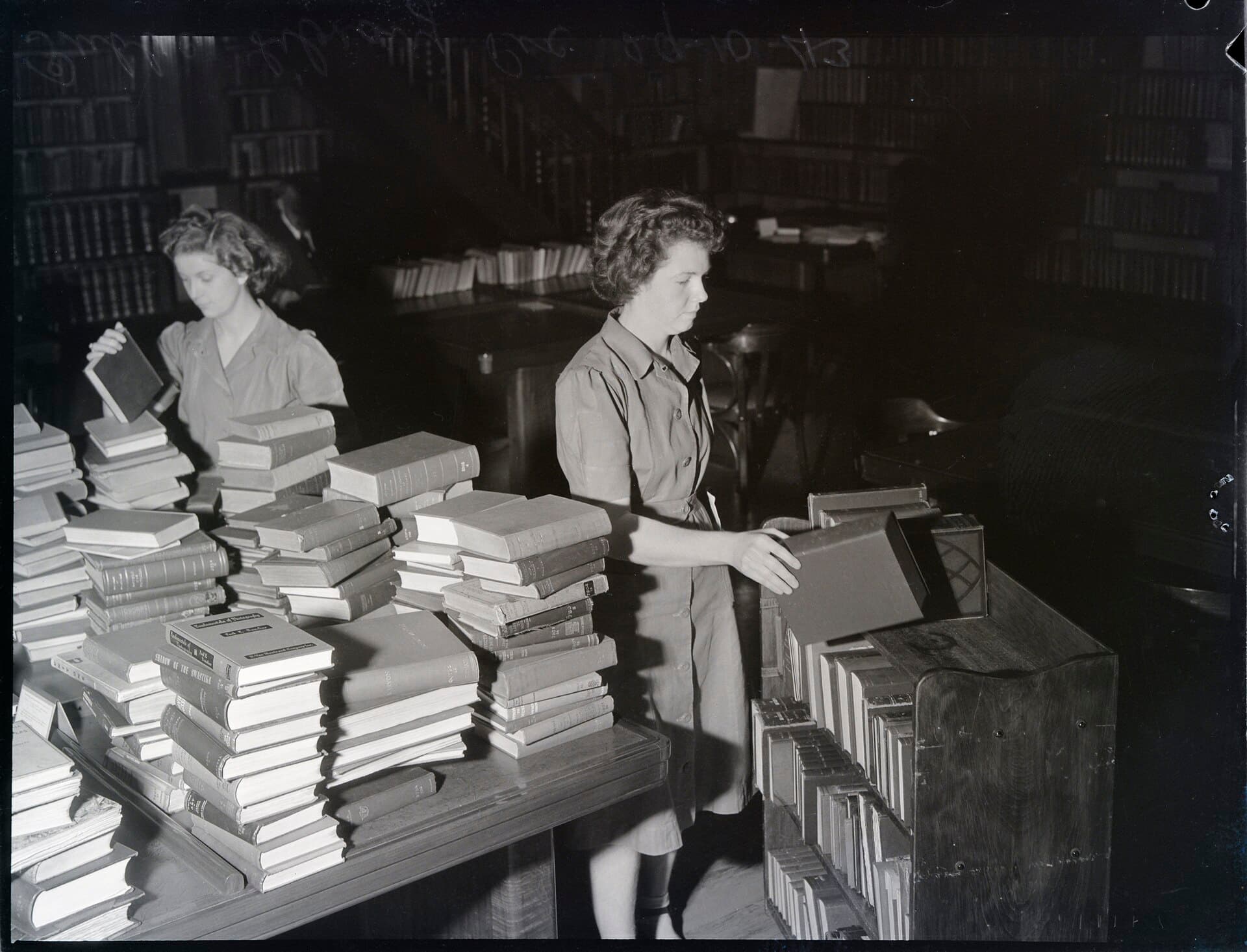
Image: Pix Magazine / State Library of New South Wales. Public domain. See the image credits.

A single shop on Gympie Road could not be the country's stationery life. It could be a proof that the life existed. The rest is a map you have to keep drawing, because rooms open and close and a website outlives a lease. This is not a directory. Directories rot. It is a way of walking into a room and knowing whether it will help you.
Take it as a companion to the Aspley portrait and the house history. Those are one door. You need others.
What a useful counter does
It lets you write. A pad under glass, or a scrap, or a willingness to ink a demonstrator. It talks you out of the wrong nib. It knows whether the diary in the window starts the week on the day you think it does. It can order a converter. It will say when a paper is imported and when a "local" packet is a wrap. If you cannot test, you are in a gift shop that happens to sell pens.
Phone first if you are driving between cities. Ask: do you have bottled ink in the colour I wrote down? Do you have converters for this model? Are you open on Saturday afternoon? The old Bookbinders hours were a liturgy because hours are part of the craft.
Kinds of room
The specialist stationer: fountain pens, notebooks, the drawer of nibs. This is where you take a first pen problem. The bindery supplier: cloth, board, thread, PVA, the conversation in refill or rebind. The art supplier: paper by the sheet, some of it Australian, not always fountain-pen friendly. The museum or library shop: pencils, well-made souvenirs, the occasional excellent pad; the Mitchell building photograph on this page is a reminder that paper culture here has always had an institutional room. The newsagency: a lottery, sometimes a pocket book, sometimes a reason to keep driving.
Department stores will sell you a prestige pen with a smile and no converter. Office chains will sell you a box of ballpoints and a pad that feathers. Both have a job. Neither is a specialist counter.
Cities are not the whole map
Sydney and Melbourne will have more doors. Brisbane had Aspley and still has others. Perth, Adelaide, Hobart, Darwin, the large regional cities — the specialist may be a single person with a website and a Saturday table. Treat that person as the shop. Order, write, be patient with postage the way the 2014 letter-rate note was patient with postage.
If you travel, keep a one-line shop log in the back of the travel journal: name, street, what they actually had, whether they let you write. In two years you will have a better map than a listicle. If a room closes, the line is still a record.
How to be a customer worth having
Know what you came for, and stay willing to be talked out of it. Do not treat a small shop as a showroom for an overseas website. Buy the converter in the room that taught you the pen. Pay for packing if you want a bottle to arrive as a gift. Say when a paper failed at home; that is how a counter stays honest.
If you write about shops, write as a guest. This journal will take pitches that are specific, unpaid unless we say otherwise, and willing to include a closed door. A map that only flatters the open ones is advertising.
Australia is large and the objects are small. That is why post mattered, and why a counter still matters when you can reach one. Draw the map as you go. Ink it. Leave a margin for the next room.
Regional rooms and the Saturday table
A specialist in a regional city may exist as a market stall, a spare room, or a website that answers emails on Monday. Treat those forms as shops. Order a converter from them. Send a photo of a nib. Pay the postage without treating it as an insult. The 2014 letter-rate note was the same ethic at a larger scale.
When you are on the road, a good newsagency in a large town can save a trip. Look for a pad that is not only copy paper, a pen that is not only a blister pack, and a person who does not mind you asking. If they have nothing, buy a pencil and leave a good note in your map.
Writing the map so it stays useful
Use the same fields every time: city, name, street, hours if you learned them, whether you could test a pen, one sentence about the stock, the date. Do not rate shops out of five. Ratings age into cruelty. Sentences age into information.
If a shop asks you not to name a supplier, don't. If a shop has closed, keep the line and mark it closed. The map is a history of rooms, not a feed of openings. This journal will take those histories if they are written with the same care we asked of guest essays.
Online specialists who still answer the phone
Some of the best counters in this country are packing benches you will never see. They are still counters if someone will talk about a nib. Prefer them to a marketplace listing. Prefer a shop that publishes hours and a name. The 2014 Bookbinders notes were that kind of presence: a person, thinking, on a date.
If they teach you something, buy from them again. The map includes the rooms you only meet as a parcel, provided the parcel was packed by a person who knew the object.
Carry the map lightly
You do not need every room. You need one that will talk to you, and a post that will carry the rest. Draw those two. The country is large. The objects are small. That was always the story.
Phone before you drive, write after you visit, and buy the converter in the room that taught you the pen. The map is a habit, like a pocket book. It will be wrong in places; correct it. A country this large deserves a living list of counters, not a once-off feature.
Questions from the bench
- How do I find a fountain-pen shop in my city?
- Search for specialist stationers and nib workers, then phone and ask whether they ink a pen before they sell it. A site that only lists SKUs is a catalogue, not a counter.
- Are museum and library shops worth it?
- Yes, for paper, pencils and the occasional good notebook. Less often for fountain pens. Treat them as a room with a point of view.
Further reading

Australian scene · 10 March 2021
How Bookbinders Online taught Australia to buy ink by post
From a 2014 shipping note about Midori refills at letter rates to a prestige Pilot tile and an Aspley door — the house history, reconstructed from the Wayback Machine.
Australian scene · 16 September 2020
The Aspley shopfront and Brisbane's stationery habit
Shop 3, 1355 Gympie Road, northside hours, and a counter that sold Traveler's as if it were a local fact. A portrait of the room the website was always pointing at.
Analog life · 8 April 2025
Handwriting, cursive, and why the hand still matters
Schools argue about joined letters while adults buy fountain pens to remember they have a hand. A practical account of writing as a physical skill in Australia.