Journals · 3 December 2024 · 10 min read
When to restitch a notebook and when to replace it
A full notebook is not always a finished object. Sometimes it wants a new cover, a new stitch, or a decent burial in a tin. A bindery-minded guide for people who are not binders.
By The Bookbinders desk
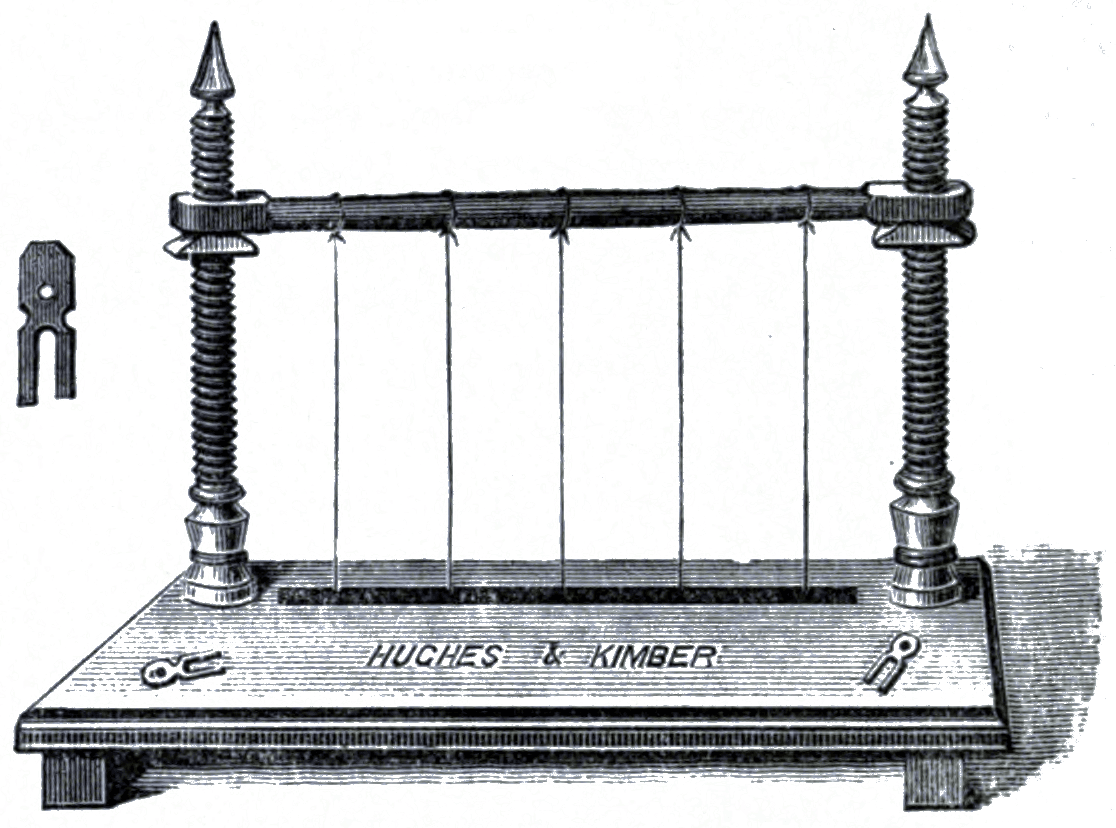
Image: Joseph W. Zaehnsdorf, The Art of Bookbinding (1890). Public domain. See the image credits.

The name on the door was Bookbinders, and people sometimes arrived with a broken spine and a hopeful expression. We were a stationery shop that had taken a binder's word for a brand. We could sell you a refill. We could talk about thread. We could not always save a glued annual that had been opened too far in a bath of humidity. This is the honest fork: restitch, recase, refill, or replace.
A notebook is a consumable that sometimes becomes an archive. The skill is knowing which.
Covers that were designed to be refilled
A Traveler's cover is the obvious case. The leather stays. The insert goes to a tin. That is not binding; that is the system working. Do it without ceremony, and without keeping three unread inserts in the band because you liked the paper. See the Traveler's guide.
Some leather journals sold as "refillable" are a stack of paper on a screw post. They work until the screws chew the holes. Spare inserts, if the size is honest, are cheaper than a new cover. If the size is a private millimetre that no one else uses, you bought a closed system. Write it out and remember the lesson.
Ring binders and discbound systems are refillable by design and ugly by habit. They have a place on a desk. They have less of a place in a bag that already holds a life.
When a stitch can be saved
A sewn signature that has broken a thread can often be resewn by someone who has done it before. A spine that has come away from a hard cover can be recased. A staple that has rusted through a Field Notes can be replaced with a sewing-machine line or a new staple if you are not precious. These are small jobs.
A perfect-bound notebook — glue, no signatures — that has cracked in the heat is usually a replacement. You can tape it. You will hate the tape. You can take it to a binder and pay more than the book cost. Sometimes that is correct, because the writing is the value. Sometimes it is cheaper to photocopy the pages you need and let the object go.
If the writing matters and the object is failing, talk to a bookbinder, not only to a stationer. There are still benches in this country. The Australian paper essay will point you at some of the material culture; a local binder will point you at a quote.
When replacement is the respectful choice
If the notebook was a two-dollar pad, replace it. If it was a gift you never liked, replace it. If it is full, replace it. Full is a success. The superstition that a finished book must be displayed is how flats fill with damp paper. Date it, tin it, shelf it, or scan the pages you will actually search for. Then buy the next one.
If you are mid-book and miserable — wrong paper, wrong size, a diary that thinks you live in the wrong year — abandon it. Transfer the last two weeks into a book you will use. The abandoned book is not a moral event. See planners if the problem was dates, or MD versus Leuchtturm if the problem was paper.
A light bindery for non-binders
You can sew a simple pamphlet with linen thread and a needle, and you should once, so you know what a signature is. You can tip in a page with wheat paste or a pH-neutral PVA. You can not, on a Sunday, become a restorer of nineteenth-century leather. The plate at the top of this essay is a sewing press from Zaehnsdorf. It is a reminder that the craft is real and that most of us are customers of it.
Keep the name if you like it. Keep the distinction. The shop sold refills for less, once, by using letter post. That was respect for the consumable. Respect for the archive is a different appointment.
Filing the finished book so you can find it
A tin is a start. A date on the spine is better. A single-line index in a cheap pad — title, dates, where the tin lives — is how you avoid owning a mystery shelf. If you scan, scan the pages you will search, not the blank ones you meant to be a person who filled.
Humidity will find a stack under a bed. Choose a shelf that is not a bathroom and not a tin roof. The archive is only an archive if it survives February.
Learning one stitch
A pamphlet stitch through three holes will teach you why signatures exist. Use linen thread, a needle, a folded stack of cheap paper, and an awl that is not a kitchen knife. You will not become Zaehnsdorf. You will stop asking a glue-bound gift book to behave like a sewn one. That knowledge makes you a better customer of both stationers and binders, which is the right inheritance for a house with this name.
Sentimental objects and the honest quote
If a notebook was in a bag at a funeral, or on a ward, take it to a binder and ask for a quote before you try tape. Say what the book has been through. A good binder will tell you when a box is kinder than a recase. Pay for the box if that is the answer. The object can be kept without being forced to work again.
Sentiment is not a reason to do a bad repair. It is a reason to get a good opinion.
The name on the door, again
We were not a bindery. We still owe the word a little precision. Refill what was designed to be refilled. Repair what a binder will stand behind. Replace the rest without guilt. That precision is how a stationery journal keeps faith with a craft it does not practise.
Date the finished book, ask a binder when you are unsure, and do not let tape become a personality. A refillable cover is a system. A cracked glue-bound annual is often a memory to box. Knowing the difference is the only bindery skill most of us need.
Questions from the bench
- Can I refill a stitched notebook myself?
- You can replace the insert in a Traveler's-style cover easily. Recasing a glued hardback is a different craft. If the object matters, take it to a binder rather than inventing a staple solution.
- When is a notebook actually finished?
- When you will not write in it again and you can find it if you need it. Finish is a filing decision, not a spiritual one.
Further reading
Journals · 20 February 2024
Leuchtturm1917 versus Midori MD
Two notebooks that look like the same job and are not. One is a system with a contents page. The other is paper that wants a fountain pen. Here is how we used to choose for people.
Journals · 8 January 2019
Dated diaries and planners for the Australian year
January is when our year starts, Monday is not always Monday, and a diary printed for the northern hemisphere will waste your first week. How to buy a dated book that matches this country.
Journals · 14 August 2018
Field Notes and the pocket notebook habit
A small stapled book in a back pocket will teach you more about attention than a leather system you leave at home. How to keep a pocket notebook alive in Australian work clothes.