Paper · 11 February 2025 · 10 min read
Australian-made paper and where it still lives
The mills receded, the imported pads arrived, and a local sheet became something you hunt for. A reader's map of paper that is still made, finished or meaningfully finished here.
By The Bookbinders desk
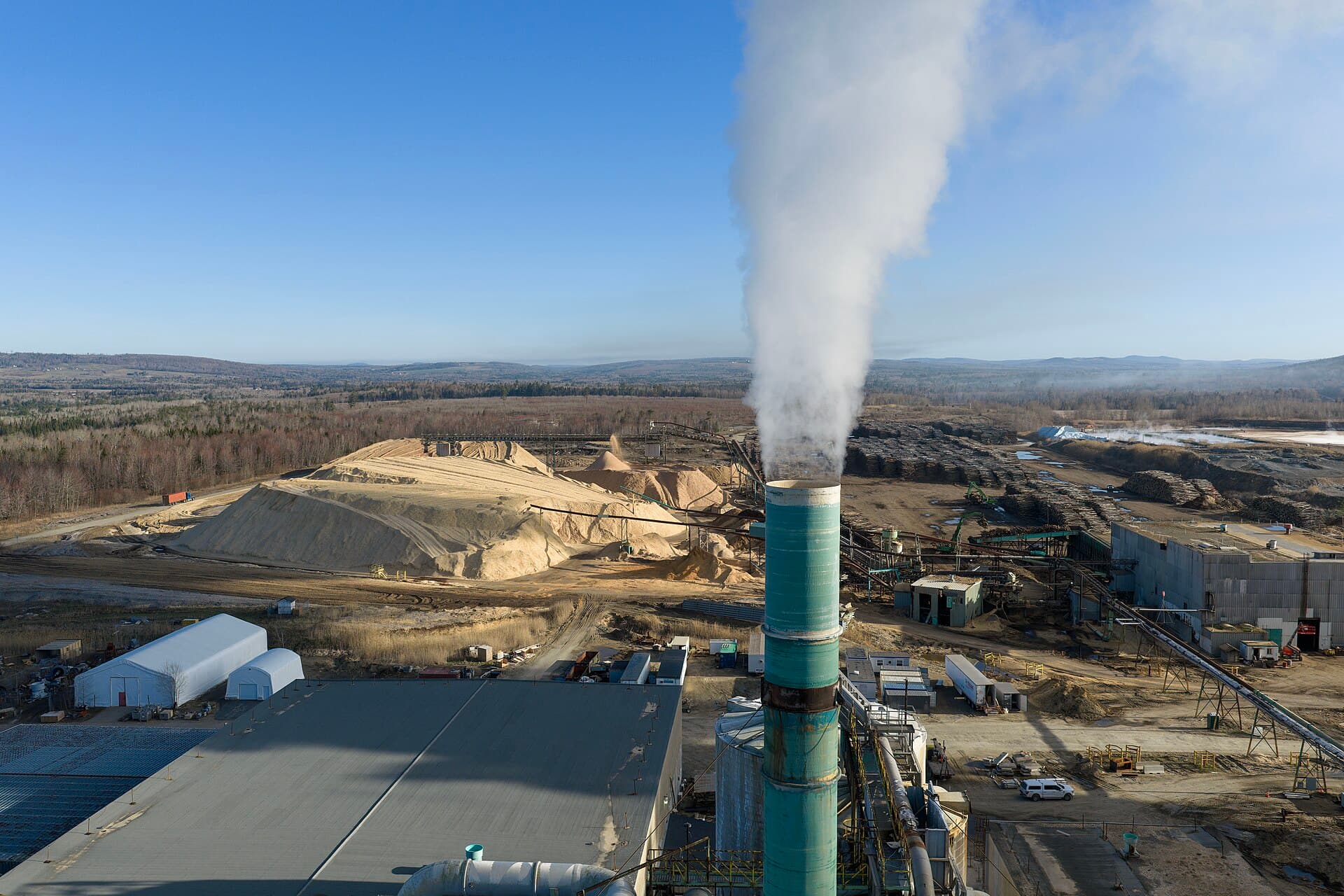
Image: Quintin Soloviev. CC BY 4.0. See the image credits.

When people hear Bookbinders they sometimes expect a bindery and a local mill. What they found, for years, was an Aspley shop that imported Midori, Leuchtturm and Iroshizuku and was honest about it. The paper that made the homepage sing was Japanese. The paper that made the printer hum was whoever had won the office contract. Australian-made sheet did not disappear. It receded from the fountain-pen conversation, which is a different kind of loss.
This is a hunt, not a catalogue. Mills change ownership. Brands print a kangaroo on a packet that was finished elsewhere. We care about where the sheet was made because a journal with this name should, and because a country that still makes paper should not have to learn that fact from a footnote.
What "made here" can mean
It can mean the pulp was grown and beaten here. It can mean imported pulp was made into a sheet on an Australian machine. It can mean an imported sheet was cut, padded and wrapped in a suburban industrial park. All three are legitimate products. Only the first two are making paper. Ask. A good shop will not be offended. A packet that says "designed in Australia" is a sentence about a graphic.
Art papers — printmaking, watercolour, some drawing cartridges — are where local and locally finished sheets still show up with a straight face. They are not always fountain-pen friendly. A thirsty art paper will feather a wet ink and look noble doing it. Test, as always, with the four behaviours.
Office papers still run on Australian and mixed supply. Recycled content is a civic good and a surface lottery. If you find a ream that takes a Pilot fine without fur, keep the brand name. Reams change.
Why the fountain-pen pads are imported
Because the hobby's taste was trained on Japanese and European surfaces: hard, sized, slightly showy with shading. Because those mills already had the reputation. Because a small shop on Gympie Road could not commission a run. We waited on Tomoe River for a reason that was not unpatriotic. We wanted the sheet that made ink look like ink.
That habit became a rut. A rut can be left. If an Australian mill or a small maker produces a pad that holds a line, this journal will write about it. Until then we will not pretend an imported MD is local because we sold it in Queensland.
Where to look, practically
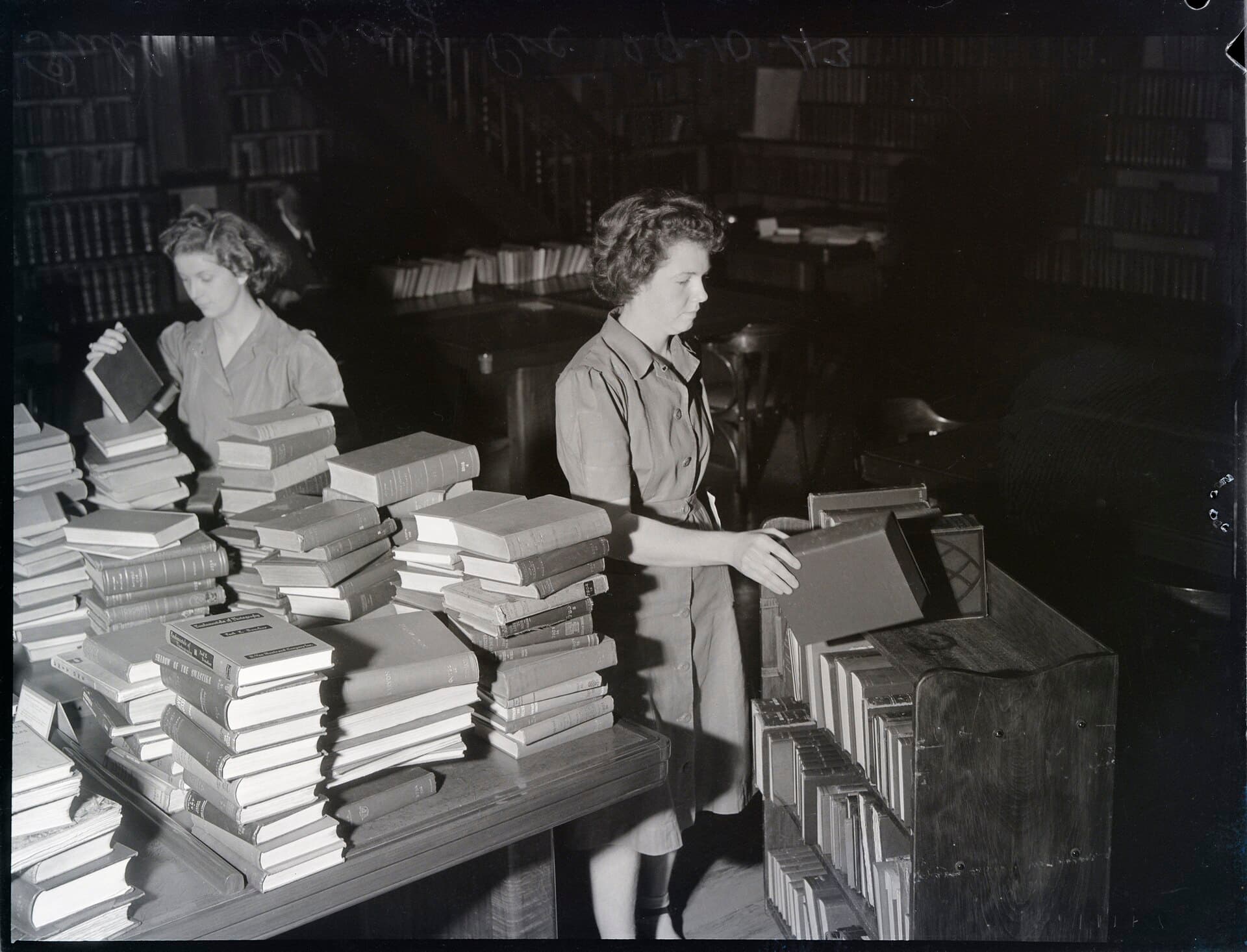
Specialist stationers, university art suppliers, bookbinding suppliers, and the remaining mill outlets. State libraries and their shops sometimes keep a local sheet in a box of something else; the Mitchell building photograph on our credits page is a reminder that paper culture here has always been institutional as well as commercial. Binders who sew theses still have opinions about endpapers and boards. Ask them where they buy. Take the answer with a note, not a brand loyalty.
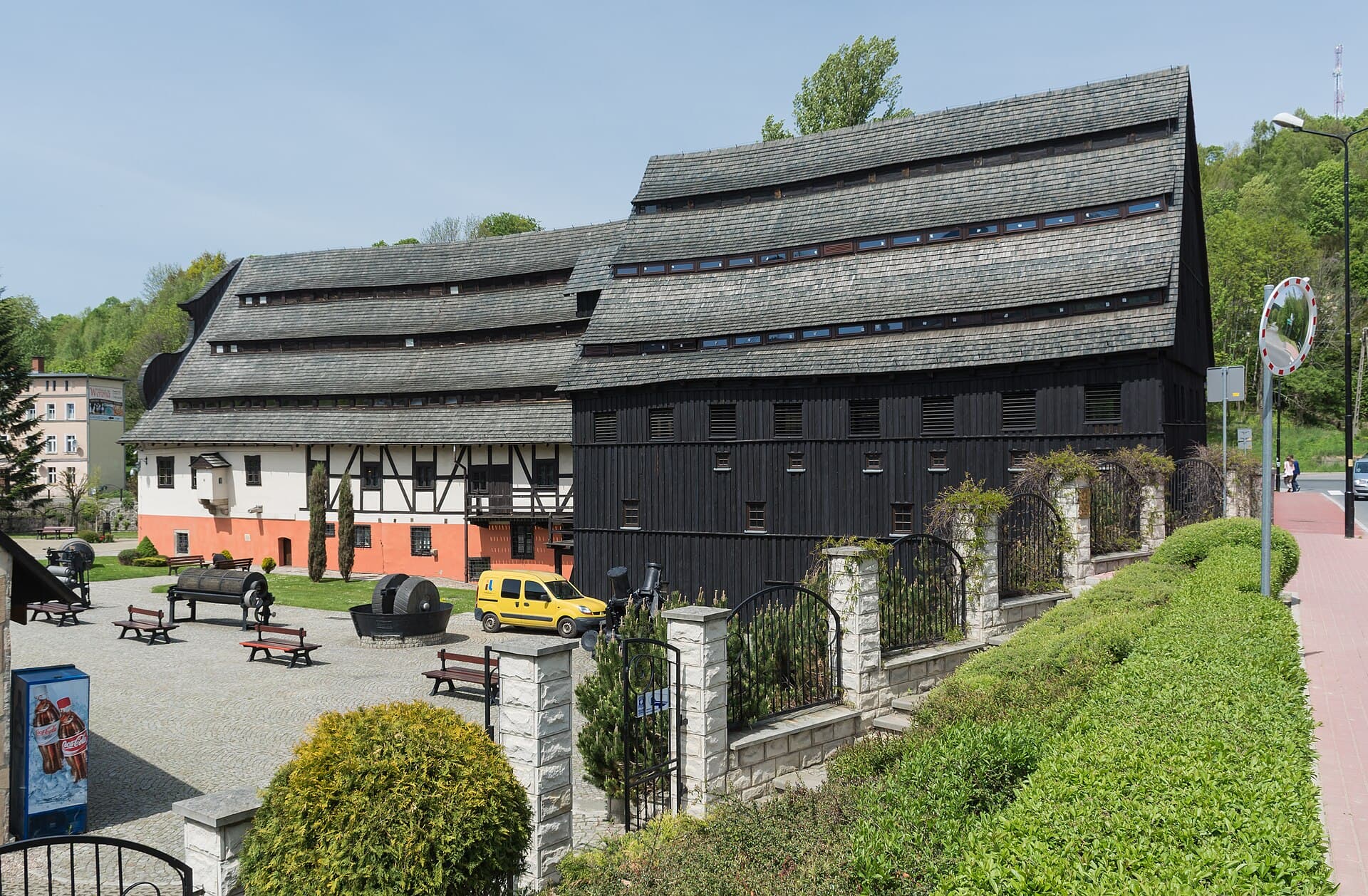
Marbled papers are often printed or imported; a few people still marble. A historic cover like the one in our image credits is public-domain proof that the craft is older than the shop. If you want the tank, look for a workshop, not only a packet. The marbling tank photograph in the archive of this site is a working picture, not a metaphor.
What to do with the hunt
Write on what you can find. Keep a scrap. Prefer an honest imported sheet to a dishonest local sticker. If you are making books, talk to a binder about Australian board and cloth the way the old name of this house implied. If you are only writing letters, a good imported pad and an Australian-year diary will still be a local life.
Paper is industrial and intimate at once. A mill plume is not romantic. A finished page is. We would like more of the second to have begun as the first, here.
Asking a packet a better question
Instead of "is this Australian?" ask "which stage happened here?" Pulp, sheet, cut, print, wrap. A shop that can answer is a shop worth returning to. A packet that cannot be answered is still usable paper; it is just not a local mill. We would rather an honest import than a sticker.
Keep a small envelope of local samples when you find them, labelled with the shop and the month. In a few years you will have a better sense of what this country still makes than a search bar will give you.
Binders, boards and the other half of the name
Bookbinders, as a word, points at board and cloth as much as at writing paper. Australian binders still buy locally when they can, and import when they must. If you are making a book, ask about board from here before you ask about a Japanese sheet for the text block. The text can be imported and the case can still be a local object. That mixed object is an honest Australian book.
Schools, councils and the quiet bulk
The largest Australian paper users are not fountain-pen people. They are schools and offices. If those contracts keep a machine running, the specialist sheet has a better chance of existing as a side run. That is industrial politics, not romance. Paying a fair price for a local pad, when you find one, is a vote for the machine.
You will not save a mill with a notebook. You might keep a finishing line interesting. That is enough reason to ask the question at the counter.
What we will publish next
If you make a sheet here, or finish one, and it takes a fountain pen, tell the desk. We will test it in Brisbane weather and write the result, including a failure. That is the only local catalogue worth having.
Ask which stage happened here, test the sheet as you would any import, and pay without resentment when the answer is honest. A local page that feathers is still a local page; it may belong to pencil. A local page that holds a line deserves a paragraph in this journal and a ream in your cupboard.
Questions from the bench
- Can I still buy fountain-pen friendly paper made in Australia?
- You can buy Australian-made papers, art sheets and some mill brands, but most dedicated fountain-pen pads on shop shelves are imported. Ask the mill or the shop which stage happened here.
- Is recycled office paper any good with a fountain pen?
- Sometimes, in a fine nib with a dry ink. Recycled fibre can be thirsty or inconsistent. Test the ream you have, not the category.
Further reading
Paper · 22 January 2025
What fountain-pen friendly paper actually means
The phrase is a marketing kindness until you test for feather, bleed, show-through and dry time. A shop-floor definition, written for Australian pads and Australian humidity.
Paper · 17 July 2014
Tomoe River and the thin-paper revolution
In 2014 we were awaiting the arrival of Tomoe River. The wait was about a sheet so thin it felt like arrogance until you wrote on it. Here is how to live with that arrogance in Australia.
Australian scene · 1 June 2025
A reader's map of stationery counters around Australia
Aspley was one door. The rest of the country still has counters, museum shops, bindery suppliers and the newsagency that surprises you. How to read a room before you buy.