Analog life · 14 August 2018 · 11 min read
Digital detox, why a notebook still beats an app
The old homepage led with a quality notebook and a slogan. The slogan aged. The notebook did not. A case for analog attention that does not require you to throw the phone in the river.
By The Bookbinders desk
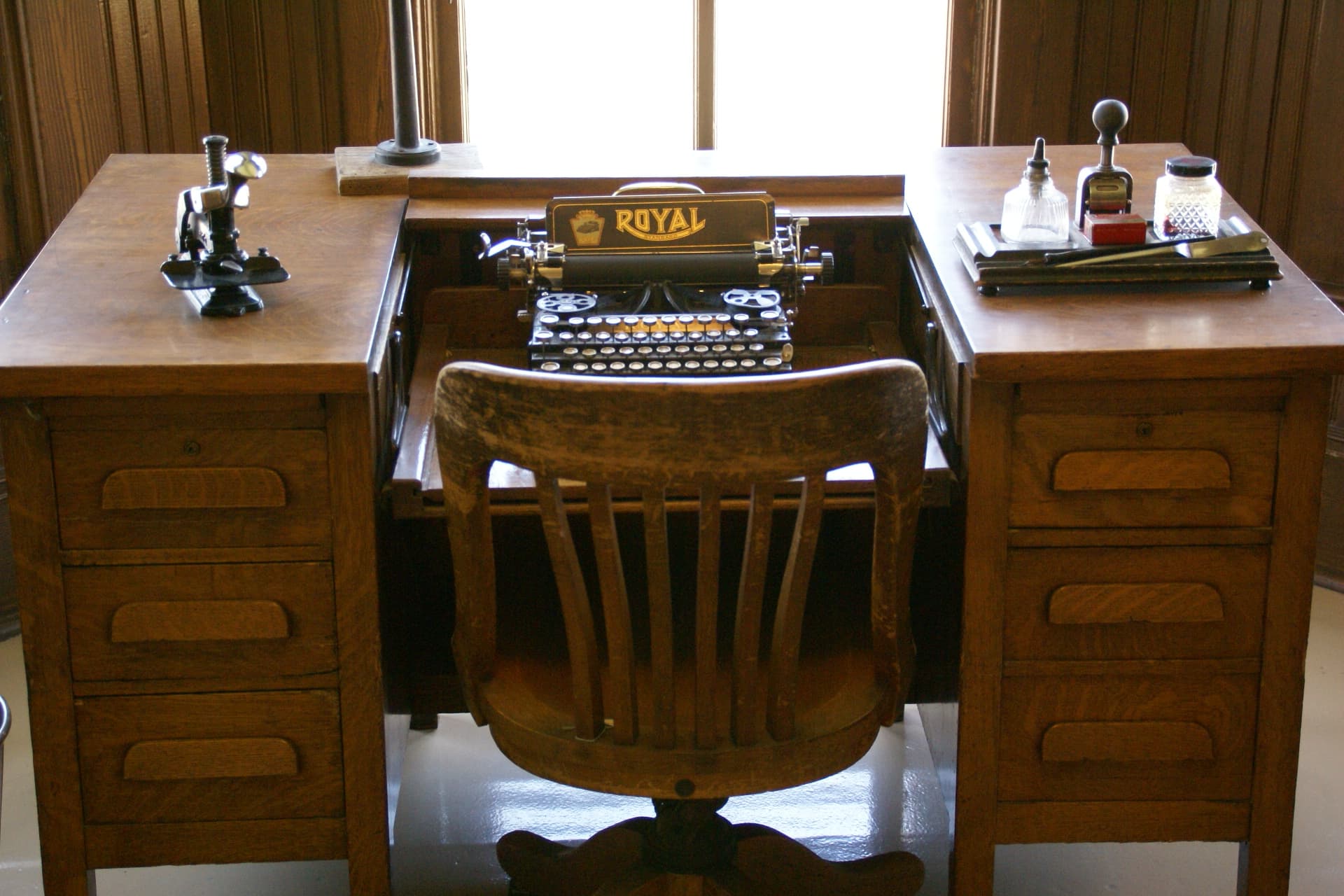
Image: Hermann Luyken. CC0 1.0. See the image credits.

Digital detox, with a quality notebook. Find your notebook. That was the lead of the 2018 site, set in the same voice that sold TWSBI and Field Notes. It was a shop sentence and a cultural one. The phone had already won the bag. The notebook was being sold as a small refusal.
We still think the refusal is useful. We do not think it needs a retreat, a basket at the door, or a personality rebuilt around linen. A notebook beats an app at a short list of jobs. Use it for those. Keep the app for the rest. That is a detox that lasts longer than a Sunday.
What a notebook is faster at
The thought you would lose while the screen lights. The map you draw of a room. The column of figures you need to see at once. The sentence you do not want in a cloud. The name of a person in front of you, written while still looking at them. These are not virtues. They are speeds.
An app is faster at search, at sharing, at reminding you in a week. If you pretend a notebook can do those, you will abandon the notebook and call analog dead. If you let the notebook do the first five minutes and the app do the fifth day, you will look like a moderate and write more.
The old testimonials were about stock for a Traveler's, about packaging, about staff. Nobody wrote to praise a detox. They wrote because an object had arrived and worked. That is still the metric.
Attention is the actual product
A phone is designed to offer you a second thing. A page is not. That difference is worth money even when the paper is cheap. If you only buy a quality notebook and then copy notifications onto it, you have bought an object. If you leave the phone on its face for the length of a page, you have bought a practice.
You do not need a leather cover for this. A pocket book is enough. You do not need to hate the internet. This journal is on the internet. We are arguing for a surface, not a politics.
Write by hand for twenty minutes and notice whether the third paragraph is more honest than the first. That is not mysticism. That is what happens when you cannot edit a sentence into a performance before it exists.
How to detox without a performance
Choose one recurring job: morning pages, meeting notes, a travel journal, a kitchen list. Do that job on paper for a month. Do not announce it. Do not photograph it unless you are testing paper. If the job fails, change the job, not the brand.
Keep the pen with the book. A notebook without a pen is a pamphlet. See considered carry. Keep the book where the job happens. A detox diary that lives in a drawer is a shop purchase.
If you fall off, start the next page. The digital world's favourite trick is to turn a missed day into a streak confession. Paper is worse at streaks and better at continuation.
Why the slogan still belongs to this house
Because Bookbinders sold the objects that make the refusal concrete. Because a Brisbane shop that waited on ink and paper was already arguing that the analog object had a future. Because a journal that grew out of that shop should not pretend a phone is the enemy or the only tool.
A notebook still beats an app when the job is to be here, briefly, with a line. Find your notebook, as the homepage said. Then write something that does not need an audience. The detox is that quiet, and that is enough.
What to keep on the phone, without guilt
Maps, tickets, the number you must not lose, the photograph of a sign you will transcribe later. The detox fails when you try to make paper do those jobs and then miss a flight. Let the phone be a phone. Let the page be a page. The old homepage never asked you to smash a device. It asked you to find a notebook.
If you use a notes app for work, keep using it. Add a paper start to the meeting: three lines before the laptop opens. That start is often where the honest summary lives.
A house rule we still like
No cameras of the page until the page is useful. The photograph of a notebook is how a detox becomes content. If you are testing paper for this journal, photograph the line, not your soul. If you are writing for yourself, leave the phone in another room for the length of the page and then take it back without a ceremony. The quality notebook was always the point. The slogan was just a tile.
Workplaces that will not love your notebook
Some rooms want a laptop visible. Some want a signature on a screen. Take the paper anyway for the three lines that are yours, and do the rest on the required surface. A detox that cannot survive a workplace rule is a weekend hobby. A notebook that can sit closed beside a laptop is a tool.
You will not reform a meeting culture with Midori. You can still leave with a better summary than the recording.
Ending the day on paper
One line at night — what you did, what you will not do tomorrow — is a detox that fits a tired person. The phone can wait on the other side of the room. The quality notebook, as the old tile said, is enough. Close it. Sleep. That is the whole campaign.
If you need a rule for the week, try this: paper first for any thought you would mind losing, phone first for any fact you must not lose. The old homepage did not ask for more than a quality notebook. Neither do we. Find it, date a page, and refuse the second screen for the length of a paragraph.
Questions from the bench
- Do I have to leave my phone in another room?
- No. You have to stop using it as the first surface for a thought you care about. A phone in a bag and a notebook on the table is already a detox.
- Which notebook is the detox notebook?
- The one you will write in without unlocking anything. Pocket, MD, Traveler's, the back of a docket. The brand is not the practice.
Further reading
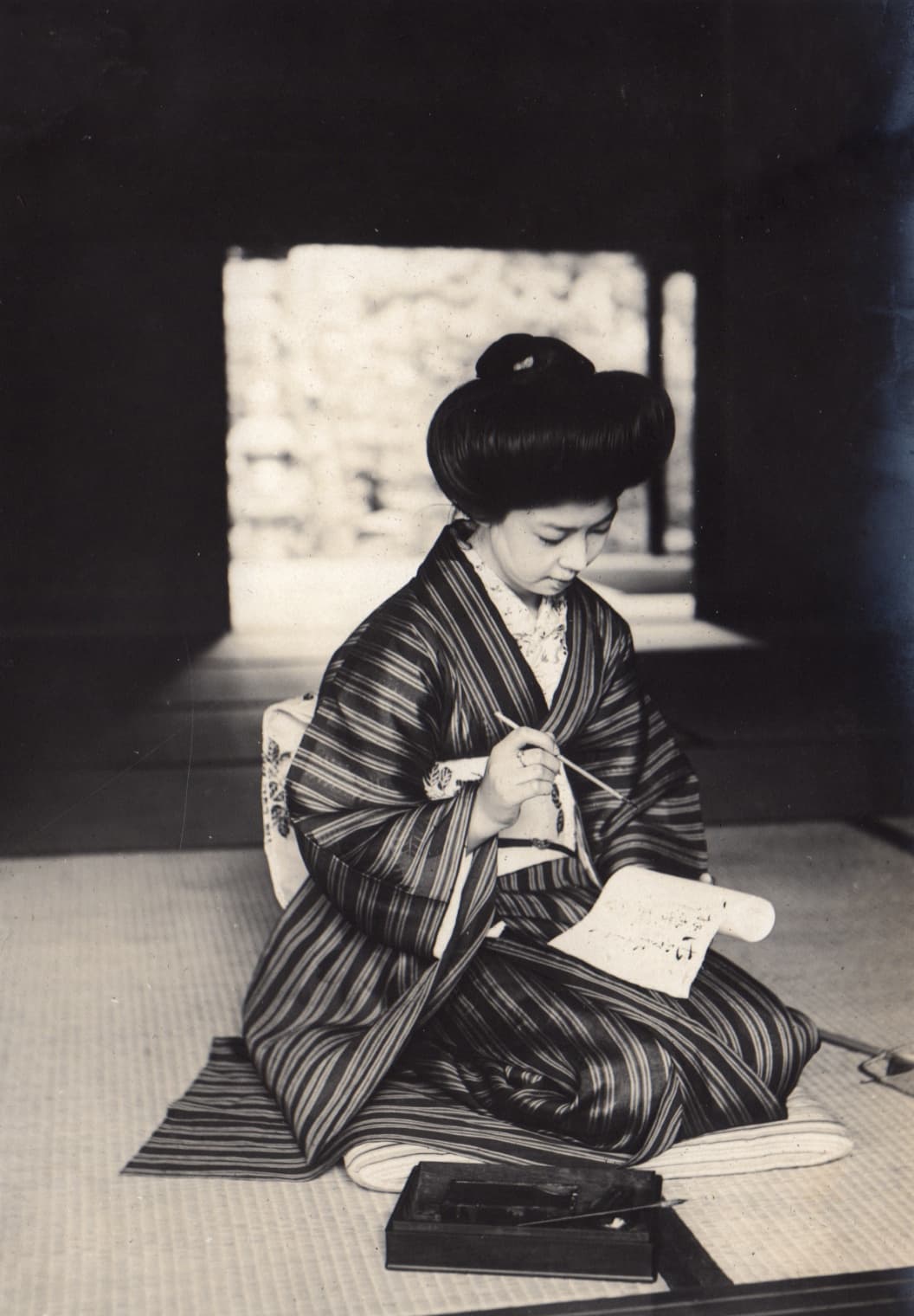
Analog life · 8 April 2025
Handwriting, cursive, and why the hand still matters
Schools argue about joined letters while adults buy fountain pens to remember they have a hand. A practical account of writing as a physical skill in Australia.
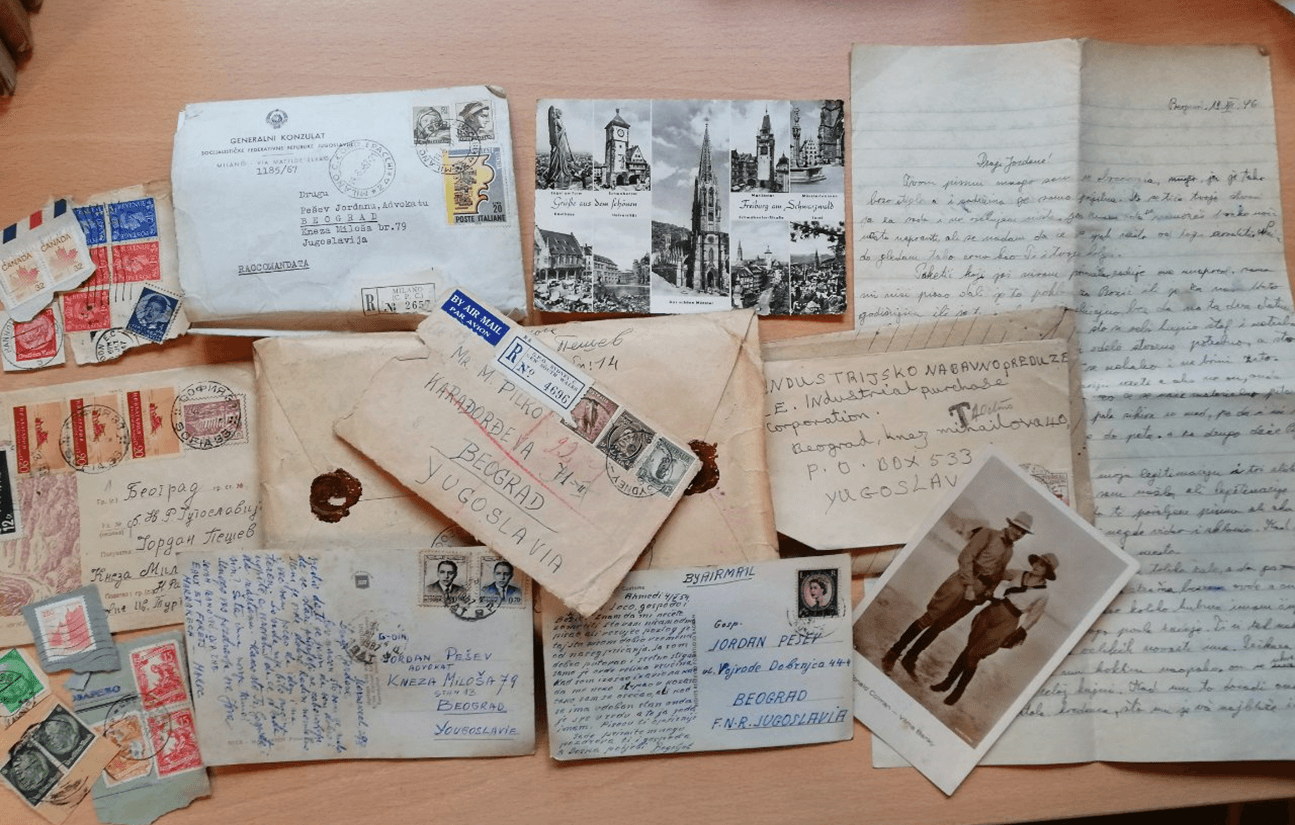
Analog life · 20 November 2019
Gift-giving with pens and paper
A pen is a good gift until it is the wrong nib, and a notebook is a good gift until it is a journal the recipient is afraid to spoil. How we used to wrap the ones that worked.
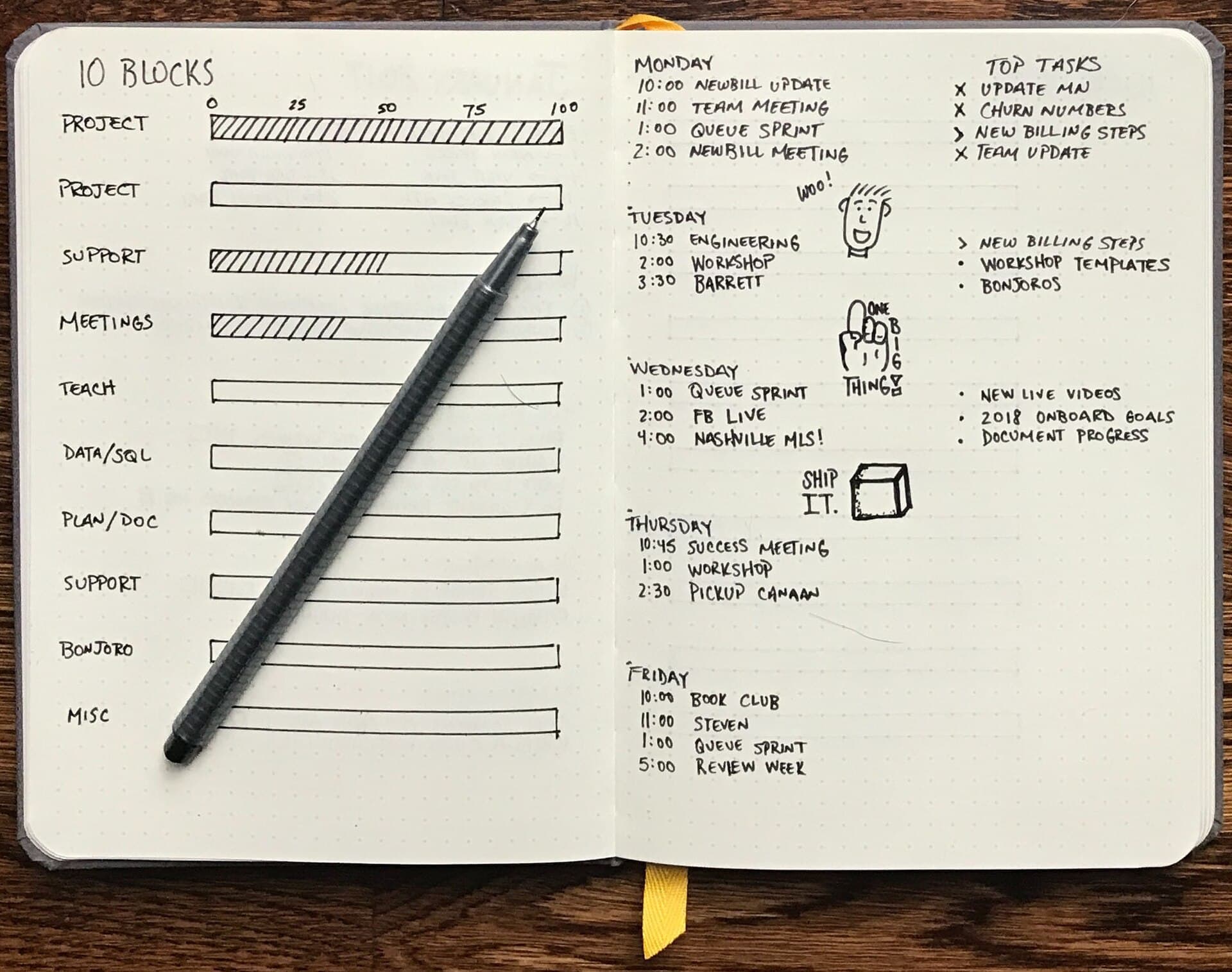
Analog life · 1 October 2014
Tasting journals, flavour wheels and slow notetaking
In 2014 we unpacked 33 Books from the United States — cigar, beer, wine — and learned that a prompt on a page is a technology. How to steal that idea without the original book.