Fountain pens · 2 April 2024 · 10 min read
Extra fine to stub, a practical nib guide
Nib sizes are not international, Japanese fines are not European fines, and a stub is not a calligraphy toy. Here is how to read the stamp on the nib in an Australian shop.
By The Bookbinders desk
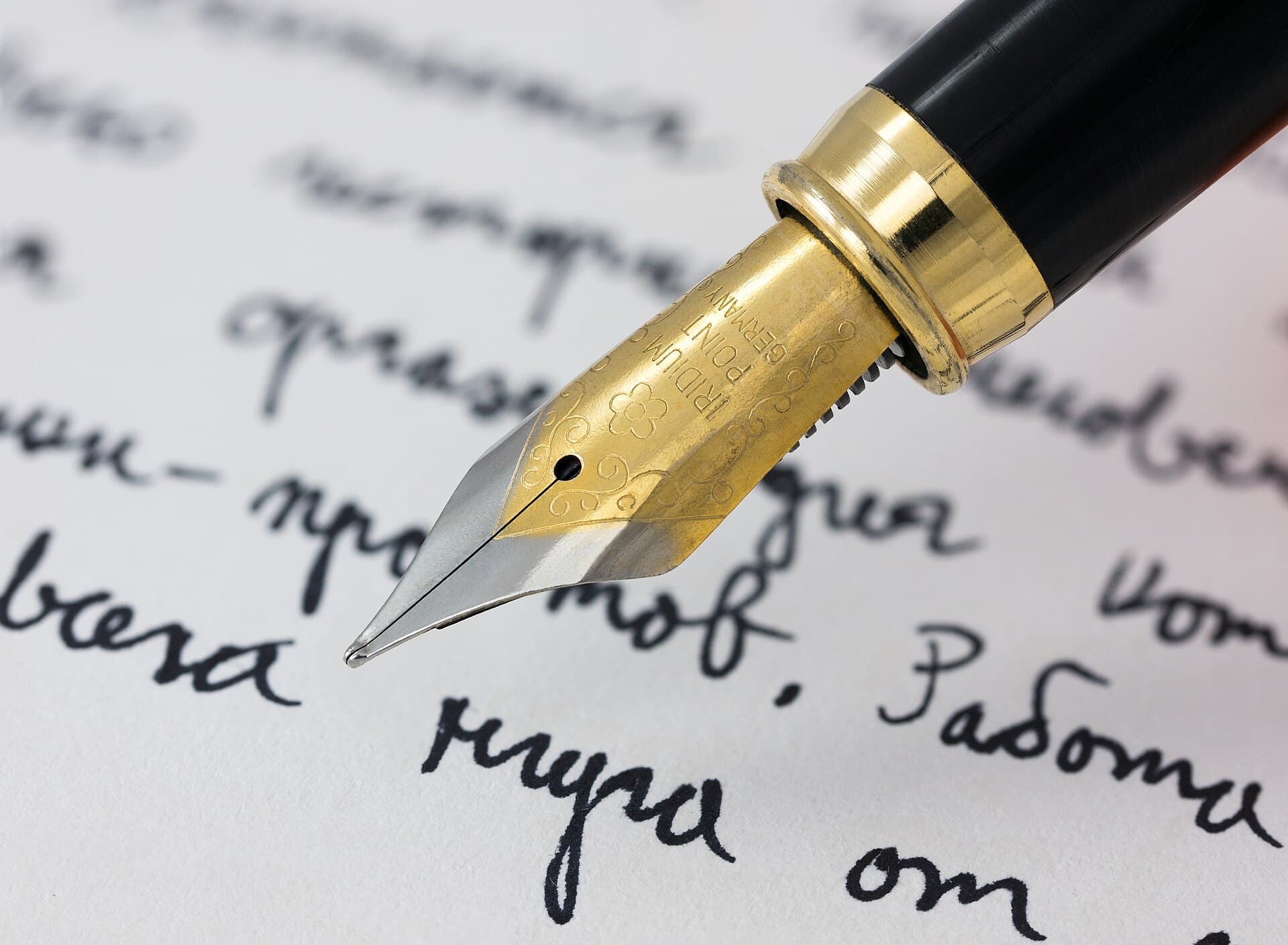
Image: Petar Milošević. CC BY-SA 4.0. See the image credits.

The stamp on a nib looks like a promise and behaves like a dialect. F, M, B, EF, 1.1. The letters are not a standard. They are a house style. A Pilot fine will write like a Lamy extra-fine on the same pad, and a German broad can look like a highlighter beside a Japanese medium. At Bookbinders we kept a scrap of Midori MD and a scrap of office paper under the glass for this reason. Customers would nod at the letter on the box and then watch the line and change their minds.
This is a working guide to those letters, written for people who write on Australian paper in Australian weather, not for people who collect nibs as a taxonomy.
Extra fine and fine: the everyday Australian line
Most of the writing in this country still happens on paper that was never designed for a fountain pen. School pads, hospital notes, council forms, the back of a printed invoice. Extra-fine and fine nibs are how you stay polite on those surfaces. They put down less ink, dry faster in a humid office, and leave a line that still looks like handwriting rather than a felt-tip.
Japanese makers — Pilot, Platinum, Sailor — cut their fines narrower than the European houses. If your handwriting is small, or if you annotate books, start there. If your handwriting is large and looped, a Japanese fine can feel scratchy because you are asking a needle to draw a river. Try a Japanese medium or a European fine instead. The first pen guide has the buying sequence; this piece is about the mark that comes after you have chosen a barrel.
Fine nibs also behave better in the heat. A wet broad in a dark bag will leave a blot that looks like a fault. A fine will usually leave a darker line and a lesson about capping. If you commute, or if the pen lives in a car for even an hour, favour the narrower stamp.
Medium: the shop default that is not always right
Medium is what gets put in a box when nobody specifies. It is a good line on good paper and a slightly too generous line on cheap paper. It shows shading in inks that have any, which is why ink people quietly prefer it. It is also the size that most quickly reveals whether you have bought paper that can take a fountain pen.
Try a medium if you write letters, journals, and meeting notes on a known pad. Skip it as your only nib if your life is forms and receipts. A medium stub or a medium italic is a different object altogether and should be sold as such.
Broad, double broad, and the wet page
Broad nibs are a pleasure when you have time and paper. They are how an Iroshizuku shows the landscape it was named for. They are also how a page becomes a drying rack. In Brisbane humidity a broad line can stay tender long enough to transfer onto the facing page of a notebook. Use a blotter, skip a page, or accept ghosting as part of the bargain.
We rarely recommended a broad as a first nib. We recommended it as a second, for the Sunday letter and the title page of a travel journal. If you love broad lines, look after the pen as if it were a wet brush. Cap it. Do not fling it into a bag. Flush it more often than a fine, because more ink is moving through the feed.
Stub, italic, and the myth of instant calligraphy
A stub is a nib ground with a flat face so vertical strokes are thicker than horizontal ones. A 1.1 millimetre stub on a TWSBI Eco was one of the more quietly popular items on the old site, because it made ordinary handwriting look considered without requiring a course. An italic is sharper. A cursive italic is kinder. None of these will turn a careless hand into a certificate.
Stubs want paper with some tooth and inks that are not too dry. They hate cheap copy paper. They also hate being used as a screwdriver to start a stubborn cartridge. If you want one, buy it as a dedicated pen or a spare nib, not as a modification you will perform over the sink. And read the TWSBI essay if the demonstrator is how you plan to show off the line.
Feedback, smoothness, and the baby's bottom
Two nibs of the same size can feel unrelated. Sailor feedback is a pencil-like resistance that some people call scratch and some people call control. Pilot tends toward a controlled smoothness. Lamy steel is a different geometry again and depends heavily on the individual nib. "Smooth" is not always better. A glassy nib on shiny paper can skip because it has no grip. A nib with feedback on Midori MD can feel like the pen is telling you where it is.
If a new nib skips in the middle of a stroke, it may have a baby's bottom — too much polish on the tipping, so the slit cannot touch the page. This is a workshop job, not a reason to press harder. Pressing harder is how you turn a small problem into a twisted tine. Bring it back. If you are far from a shop, a reputable nib worker who understands post is worth more than a new pen.
Gold versus steel is the other superstition. Gold can be softer and more expressive. Steel can be excellent. A first gold nib is a luxury, not a requirement, and a bad gold nib is still a bad nib. Buy the writing, not the metal.
How we used to put a nib in someone's hand
We inked the pen. We watched them write their address, because addresses contain the letters that reveal a stub and the pressure that reveals a ballpoint habit. We asked them to write on the worse paper as well as the better. We did not let a limited edition decide a nib size. And we told them that the right nib is the one they forget about by the second paragraph.
If you already own a pen that almost works, do not assume you need a different brand. You may need a different stamp, a different ink, or a cheaper pad that is actually sized for the work. Nibs are tools. Treat the letter on the box as a starting rumour, then test.
Questions from the bench
- Is a Japanese fine the same as a European fine?
- No. A Japanese fine is usually closer to a European extra-fine. Always ask which system the maker uses, and test on the paper you actually write on.
- Should a beginner start with a stub?
- Not as the only pen. A 1.1 millimetre stub is a pleasure on good paper and a mess on a supermarket pad. Learn a fine or medium first, then add a stub for envelopes and headings.
Further reading
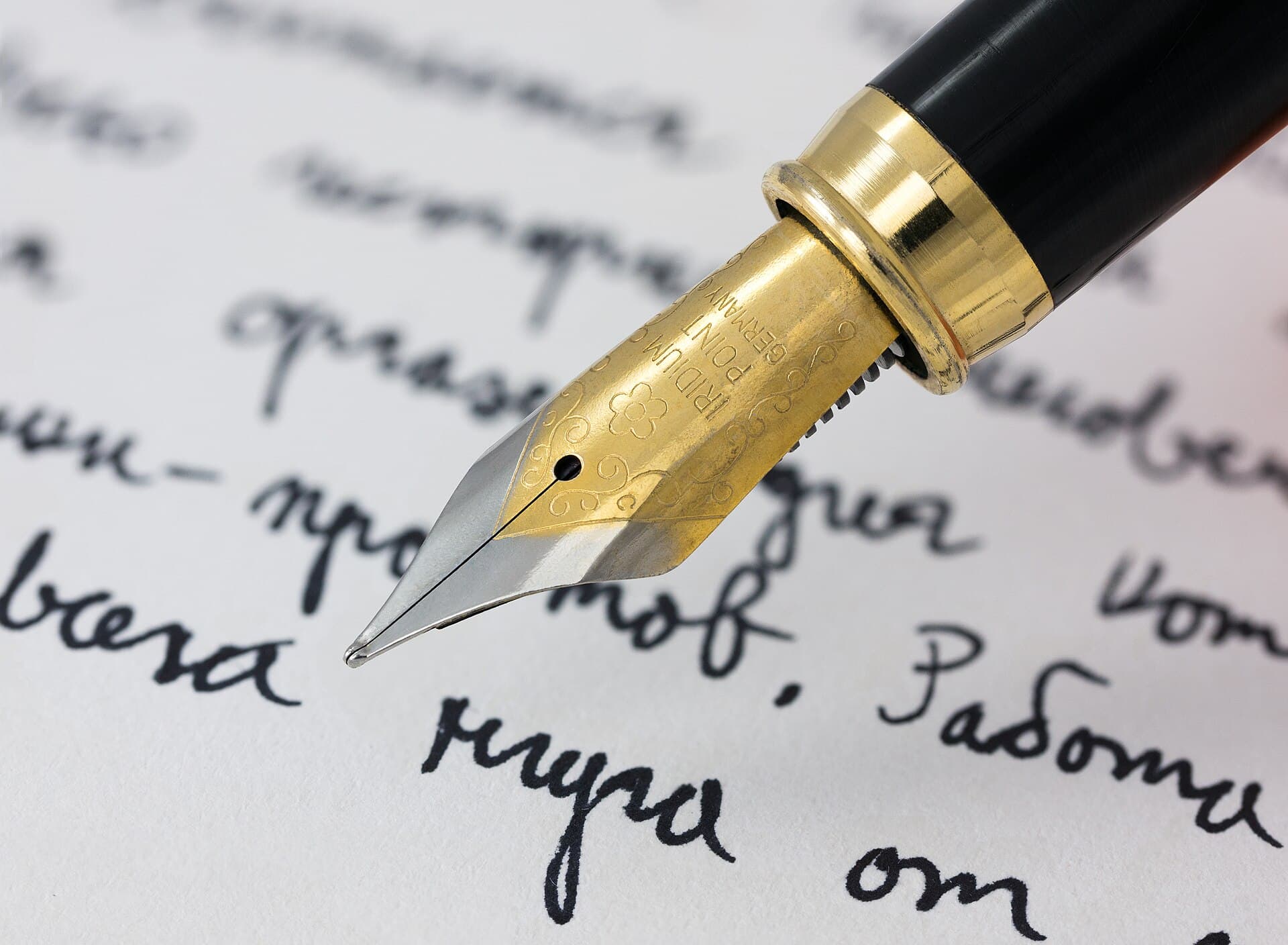
Fountain pens · 11 August 2024
Pilot in Australia, from Metropolitan to Custom 823
Pilot is the brand we could put in a beginner’s hand and in a collector’s, without changing the sentence about feedback, cartridges and service. Here is the family as it actually arrives here.
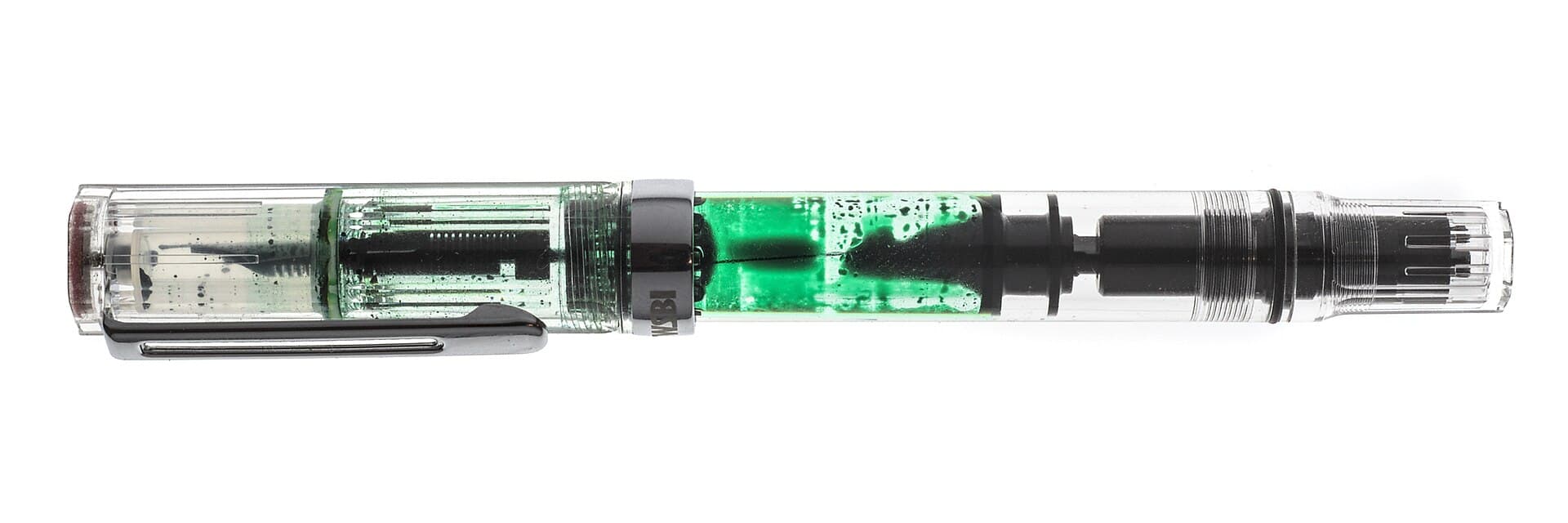
Fountain pens · 3 July 2024
Why TWSBI demonstrators changed the hobby
A clear piston you could actually afford made ink visible, capacity ordinary, and maintenance a conversation. It also taught a generation about cracks, grease and patience.
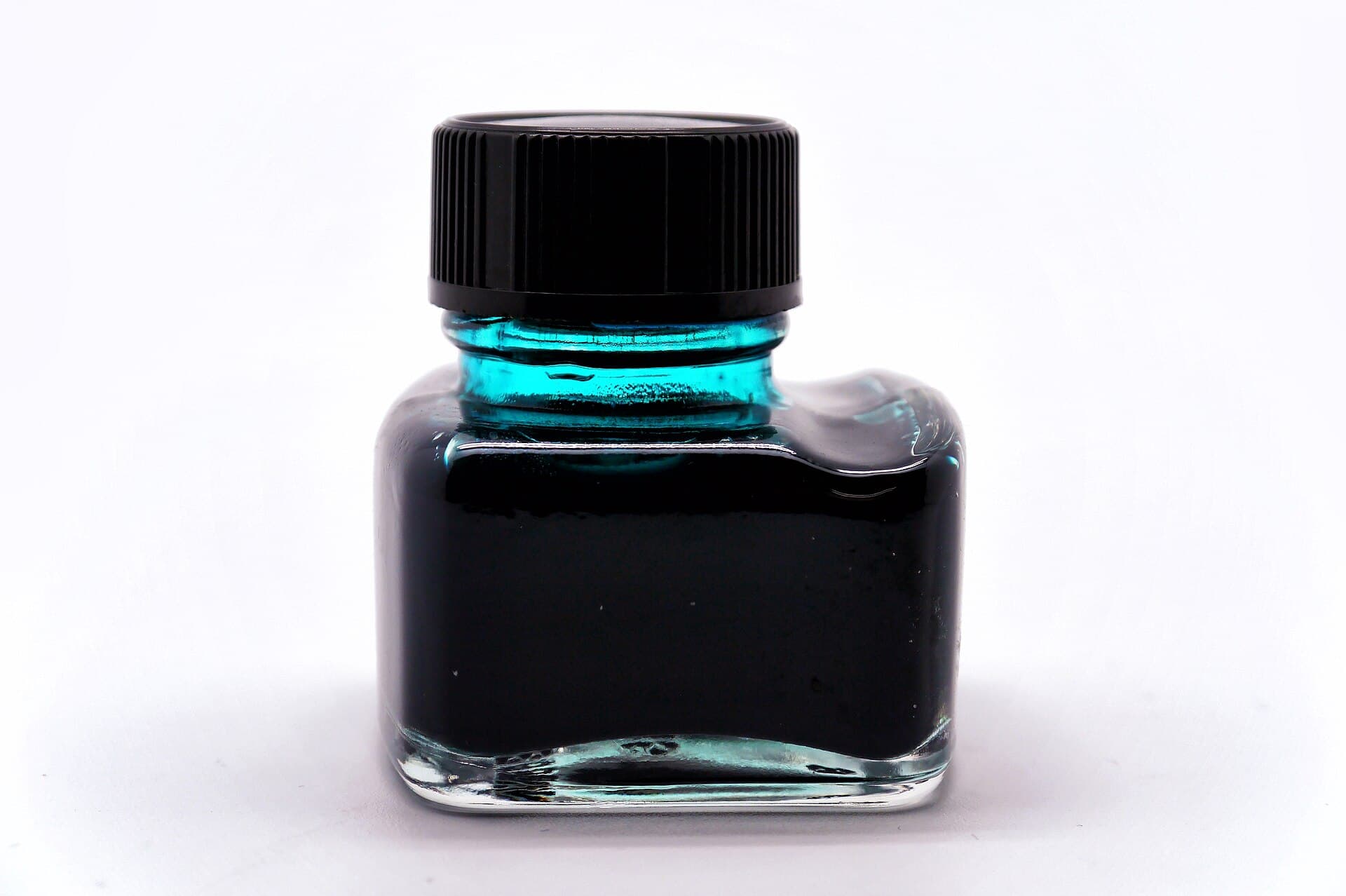
Fountain pens · 18 June 2024
Looking after a fountain pen in a humid Australian climate
Heat, salt air and a January glovebox will teach you more about feeds than any forum. This is the maintenance we used to write on the back of an Aspley receipt.